 Mirissa Whale Watching Tours
Mirissa Whale Watching Season: When to Go and When to Skip It
The Mirissa whale watching season decides everything about your trip: which boats sail, how rough the ride is, what the ticket costs and how likely a whale really is. This guide breaks the year down month by month, explains the peak window, the off-season shutdown and the conflict between sources over the season's edges. It also covers morning departures, the east coast alternative and what the season does to prices. For the boats themselves, compare Mirissa whale watching tours.
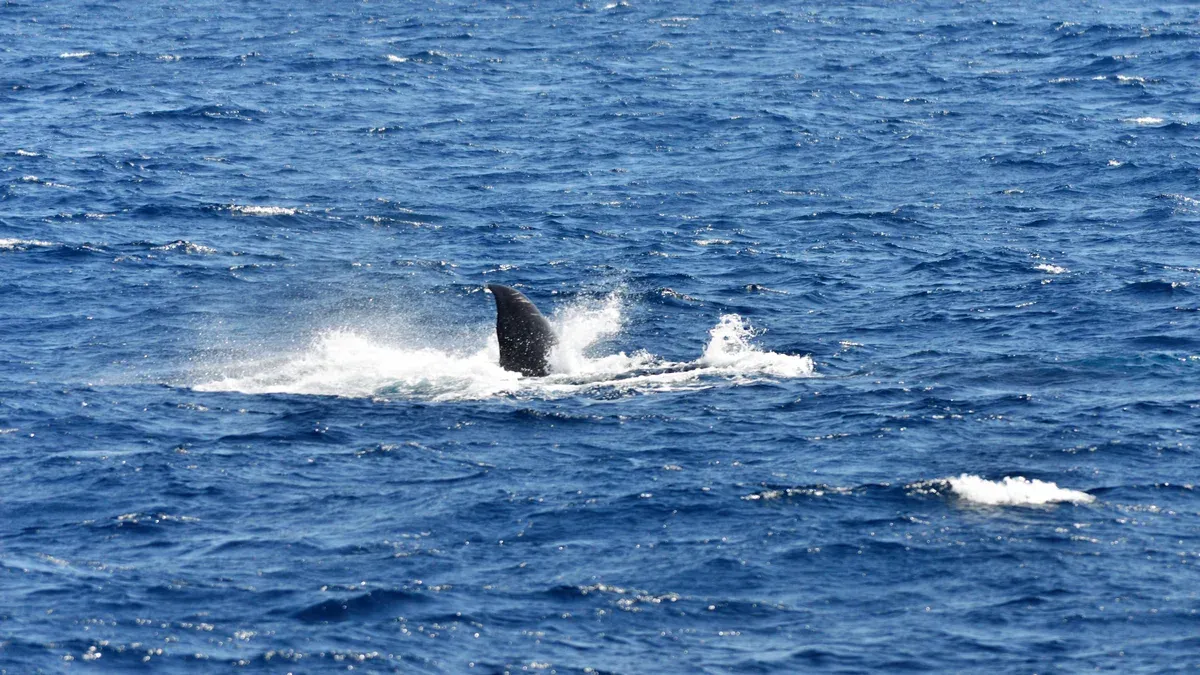
A blue whale dives off Mirissa. Photo: DammikaD, CC BY-SA 4.0, via Wikimedia Commons
Quick answer The season in short
The Mirissa whale watching season runs from November to April, with December to March the peak when seas are calmest and whale density is highest. From May to October the sea is rough, most boats stop sailing and sighting chances drop sharply. Trips leave early morning, around 7:00 am, and last roughly 3 to 5 hours.
Key takeaways
- Book inside the November to April window, and aim for December to March for the flattest sea.
- See how the season shapes each boat in the season month by month table.
- The Whale Watching Club catamaran sails a 60 ft boat rated 4.9, with the operator stating about a 50% chance of whales.
- Travelling between May and October? Read the Trincomalee vs Mirissa comparison for the east coast season.
The Season Window, and Why Sources Disagree
Most sources agree on a peak. They disagree on where the season starts and ends.
The Safe Claim
The most-cited window for the Mirissa whale watching season is November to April. One longstanding operator states it plainly: season from November to April, with whales possible in May to October but a rough ocean. Sources also agree on the peak-of-peak. December to March brings the calmest seas and the highest whale density, which is why it is the window most travellers should aim for if they have a choice of dates.
If you can only remember one thing, remember this: November to April yes, May to October no, December to March best.
The Conflict at the Edges
The season's start and end months are not settled. One competitor site and a review-site listing extend the season to May, giving November to May. The Wildlife Diaries runs it the other way, describing a season of roughly August to the end of April. Others keep it tight at November to April.
These variants likely reflect marketing optimism rather than different whale populations. The whales off the south coast are described as a resident, non-migratory population, so some animals are present year-round. What changes with the season is not the whales so much as the sea. Rough water from May to October makes trips unpleasant, pushes up seasickness risk and drops sighting odds, which is why most operators discourage bookings in those months. Treat November to April as the reliable window and the wider bounds as claims some operators quote.
Sources: whale-watching-mirissa.com, The Morning
The Season Month by Month
Each month inside the season has its own character, from the wettest month to the driest.
How the Months Compare
The table below compares every month of the year for whale watching from Mirissa. The season and peak windows come from the operator and blog sources above, the rainfall extremes come from climate-data.org, which gives November as the wettest month at 283 mm and February as the driest at 76 mm out of an annual total around 2,201 mm. Months outside the season are included so you can see why they are skipped.
Per-month rainfall figures for the remaining ten months were not confirmed in the sources available, so only the two named extremes carry numbers.
| Month | Season status | What to expect |
|---|---|---|
| November | Season starts | Wettest month of the year at 283 mm of rain, seas settling from the off-season |
| December | Peak begins | Peak window opens, whale density rising, seas calming |
| January | Peak | Calm seas, high whale density, one of the driest stretches |
| February | Peak | Driest month at 76 mm of rain, calmest combined conditions |
| March | Peak, ends late March | Daytime highs about 31°C, still inside the December to March peak |
| April | Season ends | Season closes, seas starting to build toward the southwest monsoon |
| May to October | Off-season | Rough seas, low whale chances, high seasickness risk, most boats stop sailing |
Why February and March Stand Out
If your dates are flexible, the driest and calmest stretch sits in the middle of the peak. February has the year's lowest rainfall at 76 mm, and March carries the year's highest daytime temperatures at about 31°C with the sea still inside its calm pattern. One blog puts the sighting rate in this stretch at 90%, though that is a blog claim rather than a study, and no official sighting statistic exists for Mirissa.
November is the awkward month inside the season. It opens the window, but it is also the wettest month of the year at 283 mm, so expect more cancelled or choppy mornings than in the months that follow.
Sources: climate-data.org, Ceylon Route
A Rare Sighting Off Mirissa
What an unusually lucky morning looks like in the season. Third-party video by Fi and Nick. We did not shoot it and have no relationship with the creator.
The Off-Season: Why Most Boats Stop
From May to October the south-west monsoon makes the sea work against you.
What the Off-season Is Actually Like
The off-season runs from May to October. An operator that works these waters describes it bluntly: the ocean is rough, the chance of spotting whales is very low, and the chance of getting seasick is very high. Most operators discourage bookings in these months, and many boats simply stop sailing.
This matters more than most first-timers expect. A Mirissa trip means 3 to 5 hours at sea, with boats travelling 45 to 60 minutes toward Dondra Point before the search even begins. In rough off-season swell that becomes an ordeal even before you factor in the lower odds.
If Your Holiday Falls Between May and October
You have two honest options. The first is to skip whale watching and spend the morning on something calmer, such as the beach or a snorkel near the shore. The second is to change coasts.
The east coast port of Trincomalee runs a complementary season of roughly March to September or October, with blue whale chances best in June, July and part of August and sperm whale pods reported most often from May. The full comparison of the two ports is covered in Trincomalee vs Mirissa, including which months belong to which coast.
Sources: whale-watching-mirissa.com, International Whaling Commission Whale Watching Handbook
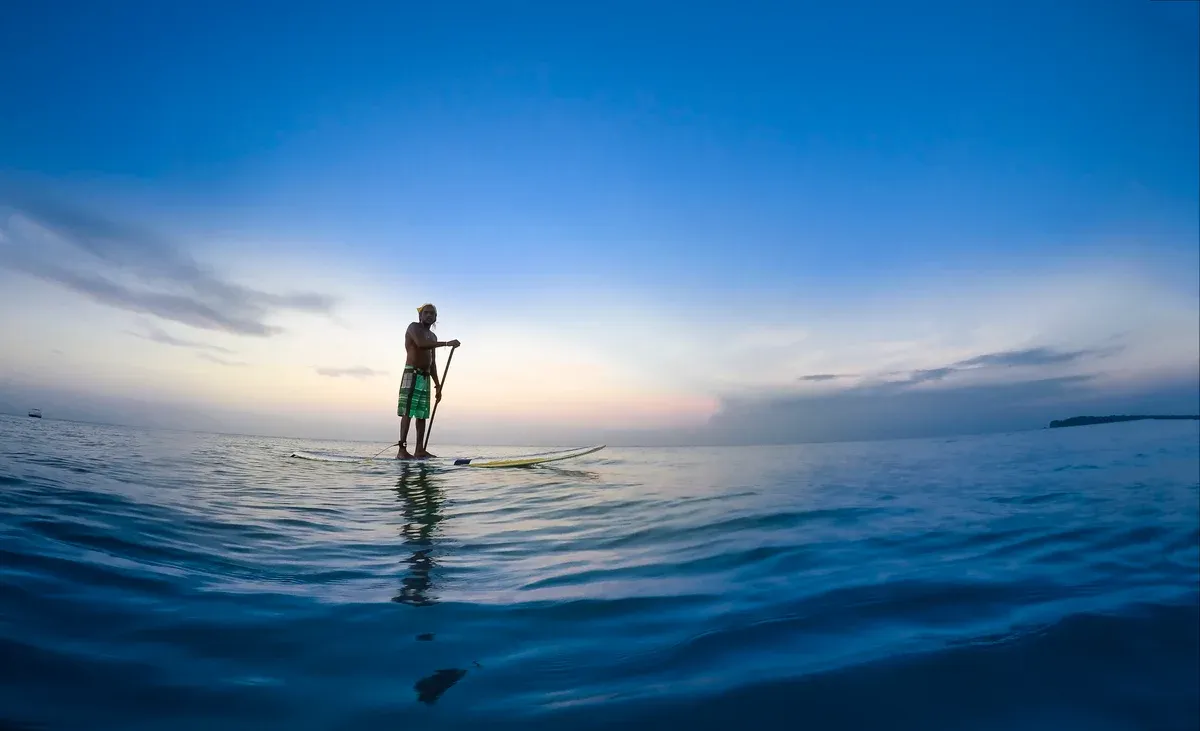
Evening on the water at Trincomalee. Photo: Aditya Siva msaditya9, CC0, via Wikimedia Commons
What the Season Does to Your Odds
Season months raise the odds, but no month turns a wild animal sighting into a promise.
The Honest Range
No official sighting statistic exists for Mirissa. What you can quote are the claims of operators and blogs, and they spread widely. One operator claims a 98% sighting rate for November to April. A blog headline claims 90% for December to March. A Sri Lanka travel guide cites 80 to 90% on calm peak-season days, 60 to 70% in rougher conditions, and notes that some operators report only about a 50% chance.
The boat operators selling trips today put their own numbers on it. Geeth's crew states about 30% for whales and 80% for dolphins. Believe It Tours states 30 to 40% for whales and 80 to 90% for dolphins. The Whale Watching Club states about 50% for whales and 90% for dolphins. Chaminda's cruiser claims 99.9% and backs it with a free re-sail or a partial refund of $17 per adult and $8 per child if no whale appears. All of these are operator claims, not audited figures.
Species and Season Timing
Blue whales are the species most often seen off Mirissa, and the same waters also produce sperm whales, fin whales, Bryde's whales, sei whales, pilot whales, orcas, humpback whales and dolphins. Killer whales and whale sharks are rare sightings. Spinner dolphins are reported on nearly 95% of trips by one travel blog, with a general dolphin sighting rate around 90%, which is why most boats honestly promise dolphins more than whales.
The blue and sperm timing difference within the season is mostly a distance difference rather than a calendar one. Blue whales are sometimes found up to about 20 km offshore, while sperm whales are more often 20 to 40 km out. The continental shelf drops away only a few kilometres from the harbour, which is what makes deep water reachable on a morning trip at all.
Sources: Sri Lanka Spirit, Raja & the Whales
Morning Departures: The Only Format on Offer
The season also fixes the clock. Mirissa whale watching is a single early-morning departure.
Why Everything Leaves Around 7:00 AM
Every researched operator runs one departure and it is early. Boats leave around 7:00 am from Mirissa Fisheries Harbour, and passengers are told to arrive between 6:00 and 6:30 am. Some full-day formats depart at 6:30 am. There is no afternoon option, because the sea is calmer and the whales and dolphins are more active before midday.
Plan the night before around the alarm. A trip lasts typically 3 to 5 hours with an average of about 4, though formats vary from a 3-hour run on the cheapest boats to 6 or more hours on full-day outings, and one blog notes a wait of 2 or more hours before the first whale is typical. Operators commonly serve morning tea before departure plus a breakfast package of a sandwich, cake, fruit and water. If you are prone to seasickness, take pills such as Avomine 1 to 2 hours before boarding, so an early alarm includes an earlier dose. Our seasickness guide covers this in detail.
Sources: whale-watching-mirissa.com, a Sri Lanka travel blog
The Trincomalee Alternative in Brief
When Mirissa's season closes, the east coast opens.
Two Coasts, Two Seasons
Sri Lanka's International Whaling Commission country profile names three main whale watching areas: Mirissa in the south-west, Trincomalee in the north-east and Kalpitiya on the north-west coast. The two big ones trade the year between them. Mirissa's season runs November to April, while Trincomalee's east coast season runs roughly March to September or October, so the country offers whale watching in almost every month even though no single port does.
Within Trincomalee's window, one local guide puts the best blue whale chances in June, July and part of August, with July having the calmest seas, and sperm whale pods most favourable from May, with resident sperm whales regularly reported off Nilaveli. If your trip falls between May and October, that is the page you need: Trincomalee vs Mirissa compares the two ports in full. For the south coast in season, start from Mirissa Whale Watching Tours.
What the Season Does to Prices
Within the season, prices stay close to standard. The differences show at the edges.
Season Pricing and the Harbour Fee
A standard shared-boat trip is about $60 (approximately 18,000 LKR) per person in season, a figure that includes government tax, harbour fees, a breakfast pack, water and safety gear. Reported shared-boat tickets across operators range from LKR 8,000 to 20,000, roughly $25 to $65, depending on the boat and what is bundled. One source claims off-season rates in May to October may run 10 to 20% below peak prices, though few boats sail then to sell you the discount.
The booking lesson that matters in every month is to read the fee line. The harbour entrance ticket is an add-on or pay-at-the-harbour extra on several budget trips. Geeth's crew at $32 states the entry ticket is not in the base price and must be added at checkout or bought at the harbour. The $28 breakfast trip makes it optional at checkout. The private speed boat at $550 adds a harbour fee of about $19 to $20 per person at check-in. By contrast the $50 Eagle Eye trimaran and the $90 all-inclusive trip state fees are already included. Compare every boat's real cost in the price guide or on Mirissa Whale Watching Tours.
| Booking pattern | Example tour | Listed price | Harbour ticket |
|---|---|---|---|
| Ticket extra at checkout or harbour | Geeth's crew trip | $32 | Not in base price, add at checkout or buy at harbour |
| Ticket optional package | Whale watching with breakfast | $28 | Optional at checkout, or buy at the harbour |
| All fees stated in price | Eagle Eye trimaran | $50 | Included |
| All inclusive with transfer | All inclusive boat ride | $90 | Included |
| Private boat | Private speed boat | $550 | Extra, about $19 to $20 per person at check-in |
Sources: whalewatchingmirissa.lk, PickYourTrail
When Should You Sail?
Match your travel dates to the season window.
If You are in Sri Lanka between December and March
Sail. This is the peak of the Mirissa whale watching season, with the calmest seas and highest whale density. Book a well-reviewed boat such as the Whale Watching Club catamaran, where the operator honestly states about a 50% whale chance.
If You are travelling in November or April
The season is open but at its edges. November is the wettest month at 283 mm, so expect choppy or cancelled mornings. Pick a boat with a clear weather policy, like the Super Grade Cruiser, which offers a free re-sail or partial refund if no whale appears.
If You are travelling between May and October
Do not book from Mirissa. The sea is rough, odds are low and most boats have stopped. Consider the east coast instead, starting from Trincomalee vs Mirissa.
If You can only go at the very start or end of the season
Go, but book a morning trip, take seasickness pills 1 to 2 hours before boarding, and check the cancellation window, commonly a full refund if you cancel 24 to 48 hours ahead.
Season Questions
What is the best time for whale watching in Mirissa?
December to March is the best stretch, with the calmest seas and the highest whale density inside a season that runs November to April. February is also the driest month at 76 mm of rain. Book a morning slot, since boats leave around 7:00 am. The Whale Watching Club catamaran runs 5-hour morning trips in season.
When does whale watching season start in Mirissa?
The most-cited start is November, and most sources agree the peak runs November to April. Some operators stretch the season to May, and others start it as early as August, but the reliable, widely agreed window is November to April. Details of the conflicting bounds are in the season window section.
Is whale watching in Mirissa closed in the off-season?
Effectively yes for most boats. From May to October the sea is rough, whale chances are very low, seasickness risk is very high and most operators discourage bookings or stop sailing. The east coast alternative runs through these months, compared in Trincomalee vs Mirissa.
Can you see whales in Mirissa outside the season?
Rarely, and not comfortably. The blue whales off the south coast are described as a resident, non-migratory population, so animals are present year-round, but from May to October the rough ocean makes finding them unlikely and the trip unpleasant. In season your odds are far better, though still operator-claimed rather than guaranteed, as explained in the odds section.
Which months have the calmest sea for whale watching in Mirissa?
December to March, with February the standout as the driest month at 76 mm of rain. January and March sit either side of it inside the peak, when one source cites 80 to 90% sighting rates on calm days. If you get seasick easily, read our seasickness guide before picking a month.
Do whale watching trips in Mirissa run all year round?
No. The standard schedule is a single morning departure within the November to April season, and most boats stop outside it. Off-season discounts of 10 to 20% are sometimes claimed, but on a rough sea most travellers should not take them. Check who sails when on Mirissa Whale Watching Tours.
How far in advance should I book for peak season?
No source gives a booking lead time. What the listings do give is the cancellation pattern: full refunds are commonly offered if you cancel 24 to 48 hours ahead, so booking early costs little, and only one boat here, the Chaminda cruiser, offers a re-sail or a partial refund when no whale is seen. Boat-level policies are covered in the price and harbour fee guide.